Organize your home when it feels like everything is too much
Organize your home starts with one honest moment: you’re overwhelmed, tired, and maybe quietly stressed every time you walk into a room that feels “almost” put together. You’re not lazy. You’re not failing. You’re a real person juggling real life—work, kids, appointments, aging parents, chronic exhaustion, or the simple reality that time slips away faster than the mess does. It’s okay to feel this way. And it’s more normal than you think.
Many homeowners—especially busy moms and adults 55+—carry the emotional weight of keeping a home running. When clutter piles up, it doesn’t just look messy. It drains your energy. It makes everyday tasks feel harder than they need to be. And if you’ve been trying to get everything under control alone, you’ve probably also been trying to do it perfectly. You don’t have to.
You’re not alone: why organizing can feel so hard
Here’s what’s often happening beneath the mess: your brain is already full. Maybe you’re managing a schedule, worrying about finances, handling health-related tasks, or simply working hard to keep life moving. A messy home can turn into a constant background stressor—so even relaxing at home doesn’t fully feel restful.
So if organizing feels overwhelming, that doesn’t mean you can’t do it. It means you need a gentler approach—one that protects your time, your energy, and your peace.
Organizing doesn’t have to be a total home makeover. You don’t need perfect shelves or matching bins. You just need small wins that help your home feel calmer and more supportive of your real life.
Organize your home fast: use “minimum effort” organizing moves
When you’re short on time (or patience), the goal is not to reorganize everything. The goal is to create quick relief.
1) Start with a “hot spot,” not the whole house
Pick one area that’s bothering you most right now—kitchen counters, the entryway table, the bathroom sink, a pile near the couch. Just one.
Set a timer for 10–15 minutes. Tell yourself you’re only aiming to reduce visual clutter and restore function. When the timer ends, you’re allowed to stop. This matters, because organizing should feel achievable, not punishing.
2) Use the “3 piles” rule (keep, relocate, trash/donate)
For a quick reset, sort items into three categories:
– Keep (in the right place if possible)
– Relocate (not for this room—move it toward the correct area)
– Trash/donate (anything you truly don’t need or that no longer fits your life)
This is especially helpful for adults 55+ or anyone who feels like organizing turns into an exhausting emotional task. You’re not judging your past self. You’re simply making space for your present.
3) Put things where they get used, not where they “should” go
A common organizing trap is aiming for ideal systems instead of practical routines. A busy mom doesn’t need a “perfect” kitchen—she needs a place where things actually live.
Ask: Where does this item naturally belong based on daily use?
– Sponges and cleaning sprays: under-sink or right near where you wash
– Mail and important papers: a single station, not random surfaces
– Medication supplies: a consistent spot that’s easy to reach
If your home runs on routine, your storage should too.
Organize your home in a stress-free way: make it feel lighter mentally
A clean, organized space does something more than look better. It lowers mental noise.
When surfaces are cluttered, your eyes keep “noticing” things that need attention. That constant visual reminder can increase stress and make relaxation harder. On the other hand, even modest organization creates a sense of control—like your home is helping you instead of quietly challenging you.
Try this mindset shift: you’re not cleaning to impress anyone. You’re organizing to protect your calm.
A simple routine that reduces stress (and repeats easily)
Consider a quick daily reset that takes about 5–10 minutes. You can tailor it to your lifestyle:
– Clear obvious surfaces (countertops, coffee table, entryway)
– Put away what’s been “left out” (only the easiest items first)
– Stack items back into their zones (laundry baskets, storage bins, designated drawers)
– Do one small “reset” action (wipe a spot, straighten a shelf corner, or sweep a high-traffic area)
This routine isn’t meant to be dramatic. It’s meant to be sustainable.
Organizing and life impact: how small changes ripple outward
When you organize your home, it often improves more than the rooms—it improves your day.
Less stress for you, calmer moments for your family
If you’ve ever snapped because you were late or irritated by a mess you couldn’t seem to catch up to, you already know how strongly household clutter affects mood. A more organized home reduces the friction of everyday life.
When kids can find what they need, mornings run smoother. When you know where things are, you waste less time searching. And when there aren’t piles everywhere, you don’t have to mentally “hold” so many tasks at once.
More mental clarity and better focus
Clutter doesn’t just take up space—it takes up attention. Clearing a hot spot can make your brain feel quieter. That can translate into better focus on work-from-home tasks, hobbies, and even those simple moments of reading or quiet time.
Better productivity—because you can actually start
It’s hard to be productive when you’re constantly moving items around just to begin. Organizing removes that delay. Suddenly, you can start dinner sooner, find paperwork faster, and jump into your day with less resistance.
Organize your home with time-saving strategies that don’t burn you out
If you’re thinking, “This all sounds nice, but I don’t have time,” you’re not alone. Here are practical ways to save time without turning organizing into a second job.
Try “one category at a time”
Instead of tackling everything, choose one category:
– only mail
– only bathroom products
– only kitchen gadgets
– only laundry items
This prevents organizing from becoming overwhelming “everywhere at once.”
Make storage visible and simple
Bins can help, but they don’t have to be complicated. The best storage is the kind you’ll actually use.
– Label where it makes sense
– Keep frequently used items easy to reach
– Store rarely used items in less visible areas
If you can open a drawer and immediately know what goes where, you’ll maintain it longer.
Don’t aim for perfection—aim for “easy to maintain”
The real goal isn’t a magazine layout. It’s a home where you can put things away without dread. When your system is easy, maintenance happens naturally. And that’s when organizing actually sticks.
Getting help is okay: organizing support doesn’t mean you’re failing
If organizing has been tugging at you for months or even years, it’s important to hear this clearly: you don’t have to do everything yourself.
Getting help isn’t a luxury. It’s support. It’s the difference between being stuck in a cycle of “catch up, fall behind, repeat,” and having your home feel manageable again. And there’s nothing wrong with choosing help so you can get your energy back.
Many homeowners don’t just need storage—they need relief. A caring team can handle the parts that overwhelm you most: keeping spaces clean, supporting tidy upkeep, and making your home feel calmer without asking you to carry it all alone.
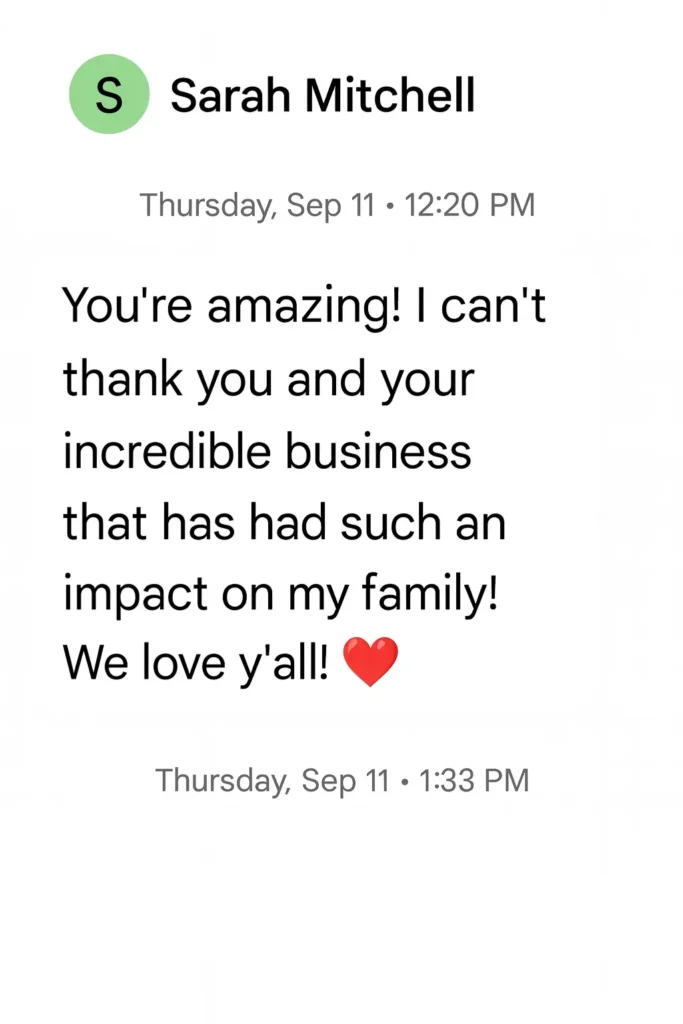
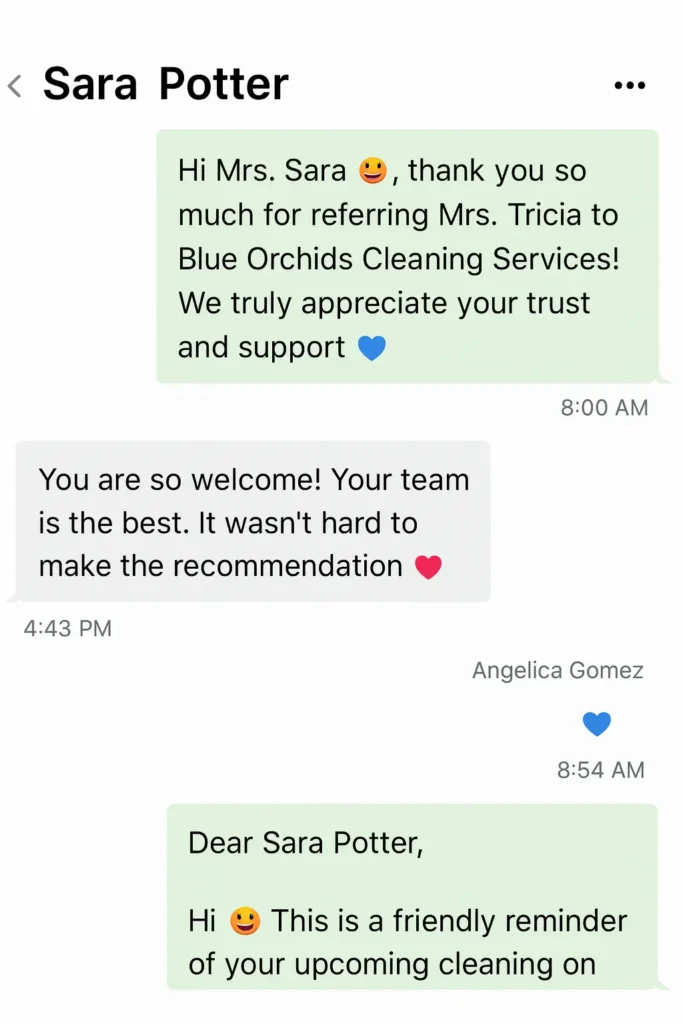
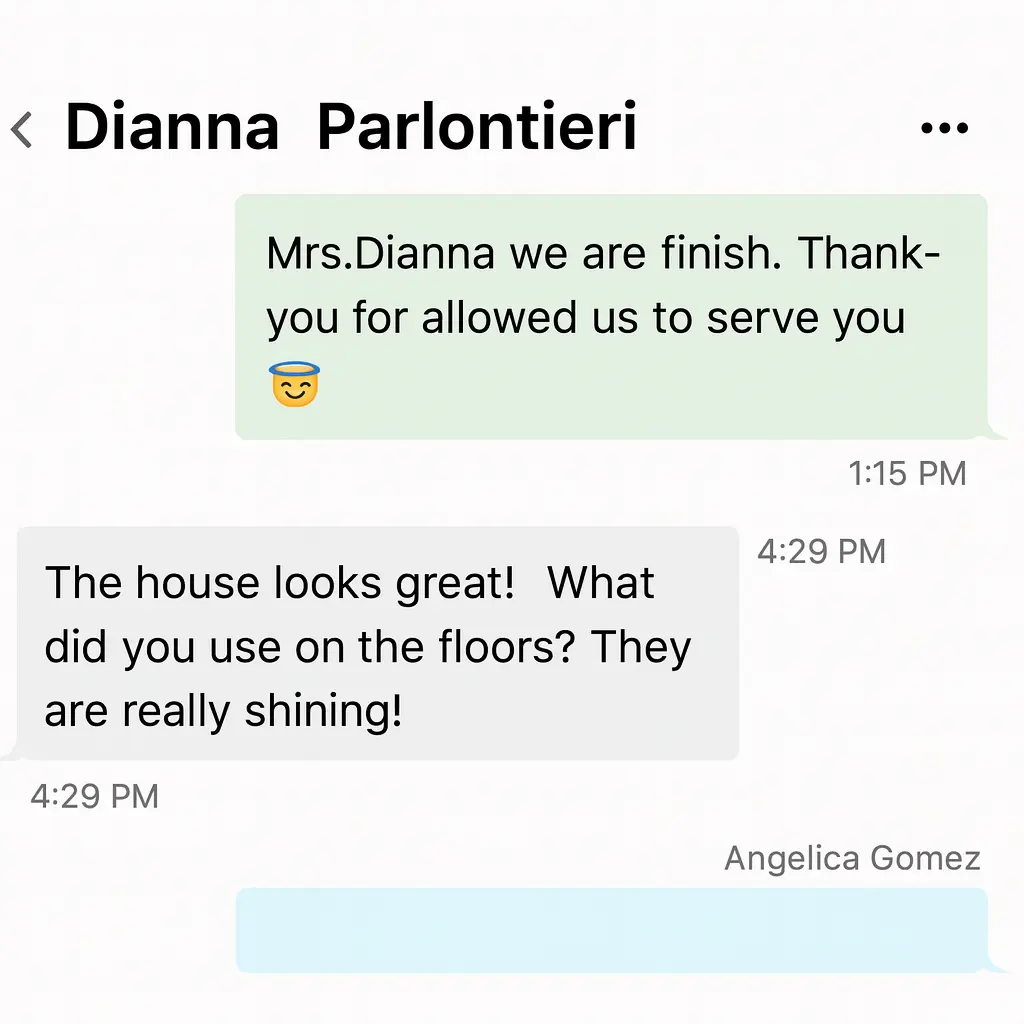
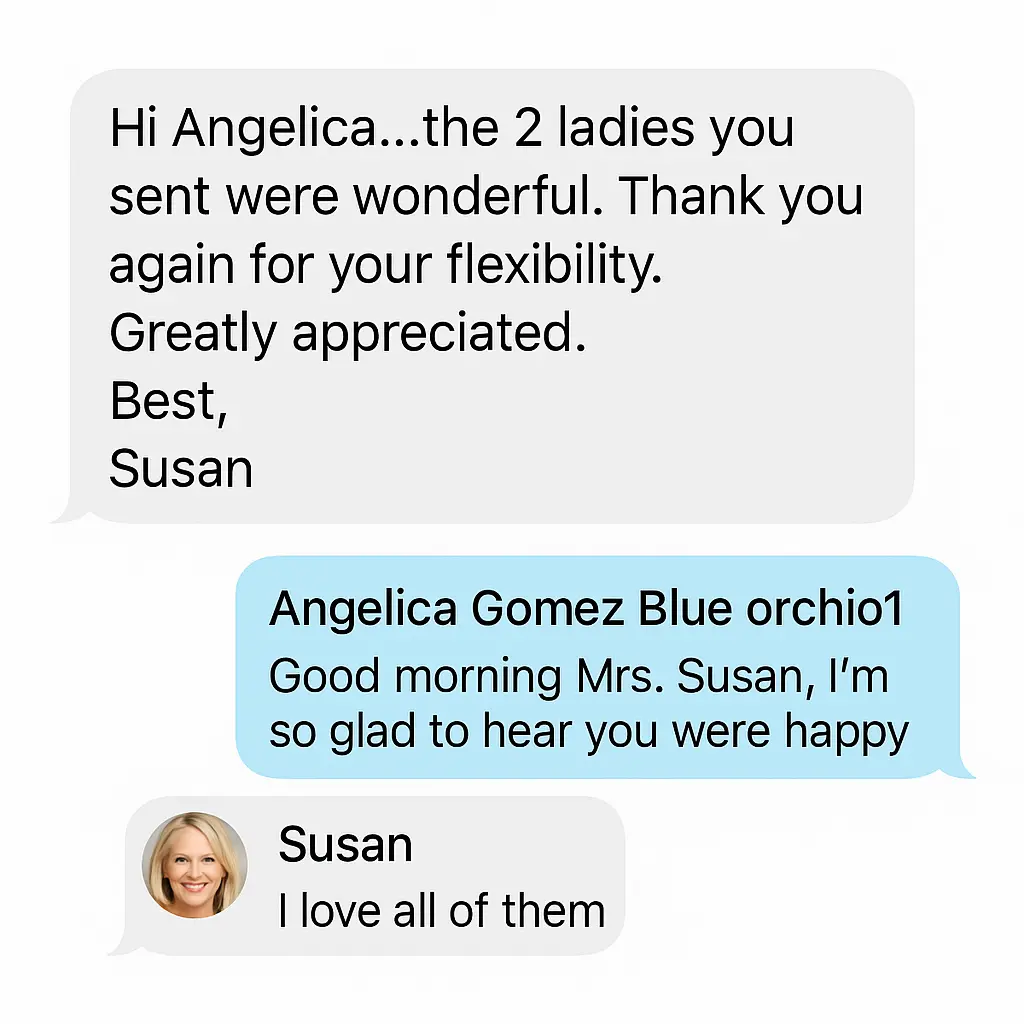
Blue Orchids is a trusted, caring option for people who feel the emotional weight of home maintenance. A supportive, human solution that understands the emotional weight of maintaining a home — not just a cleaning service.
A gentle next step toward a calmer home
You don’t need to overhaul everything today. You can start small, protect your time, and build momentum with routines that feel realistic.
Pick one hot spot. Use the 10–15 minute timer. Create simple zones. Let your home support you instead of draining you. And if you’re ready to stop carrying it all by yourself, it’s okay to consider support from Blue Orchids—because you deserve a home that feels peaceful, not stressful.