Clean Home, Peace of Mind—if you’ve been craving that feeling but your home doesn’t match it yet, you’re not alone. Maybe you’re standing in your kitchen and thinking, “How did it get like this?” Or you’re too tired to tackle one more thing, even though you know a clean home would help you breathe easier. It’s okay to feel overwhelmed. It’s okay to feel stressed by the mess. And it’s okay if you’ve been doing the best you can.
Most people don’t admit how heavy it feels to maintain a home—especially when work, caregiving, kids, health, or aging parents are all asking for your attention. A messy house can start to feel like a constant low hum in the background of your day. And when that hum won’t quiet down, it can make everything else harder.
Let’s talk about why a Clean Home, Peace of Mind can feel so calm—and what you can do even if you’re busy, tired, or stretched thin.
Empathy First: You’re Not the Only One Feeling This
If your home is full of clutter, dust, dishes, laundry, or “just stuff” that keeps multiplying, it doesn’t mean you’re failing. It usually means life is full. Overwhelmed homeowners, busy moms, and adults 55+ are all carrying real responsibilities—sometimes more than anyone should have to hold alone.
And here’s the part people forget: mess doesn’t just take up space. It takes up mental space, too. You may not even notice how much energy you spend thinking about what needs to be done. But eventually, it adds up.
So if you’re tired and stressed, please hear this: you’re not alone. This is normal. And it’s not your character that’s broken—it’s your bandwidth.
Why a Clean Home, Peace of Mind Feels So Calm
A clean home can feel calming for a few reasons, and none of them are “silly” or superficial.
First, clean spaces reduce decision fatigue. When surfaces are clear and floors are swept, your brain doesn’t have to keep scanning for mess. Less scanning often means less mental strain.
Second, cleanliness supports comfort and routine. When your kitchen is usable, your bathroom feels fresh, and laundry has a home, your day flows more naturally. You’re not constantly working around obstacles.
Third, a Clean Home, Peace of Mind can improve your sense of safety. Clutter can feel chaotic—even if you’re managing it. When everything has a place, your home feels more predictable, and predictability is deeply calming.
Simple Cleaning Tips That Don’t Require a Whole New Personality
You don’t need to become someone who cleans for hours. You just need a few practical moves that help you regain control without burning out.
1) Start with “reset zones,” not the whole house
Instead of thinking, “I have to clean everything,” pick one small zone:
– Kitchen counters and sink
– Bathroom sink and toilet area
– Entryway surface and nearby floor space
Do what you can in 10–15 minutes. When that zone looks better, it creates momentum—and momentum is everything when you’re overwhelmed.
2) Use the “one-touch rule” for quick progress
When you pick something up, decide immediately where it goes (or place it in a single “return bin” if you truly can’t sort right now). This prevents the endless loop of picking things up and putting them back down “temporarily.”
3) Make laundry less emotional
Laundry is often the first thing that turns into a stress monster. Try this:
– Fold what you can while something is running (washer, dryer, kettle boiling).
– Keep a small basket in the most-used room for “later folding.”
– Wash and dry in smaller loads if it helps you stay caught up.
Even partial progress can ease the pressure.
4) Focus on visible impact
If you’re short on energy, prioritize what you see most:
– Floors (a quick sweep or vacuum makes a huge difference)
– Bathroom surfaces
– Kitchen sink and counters
– Table tops and common areas
You don’t have to deep-clean every crevice to feel better. “Good enough and consistent” beats “perfect once in a while,” especially for busy lives.
The Mental Health Benefits of a Clean Home (Even When You’re Not “Done”)
A Clean Home, Peace of Mind isn’t about perfection. It’s about reducing that constant stress signal your brain reads from chaos.
When your environment feels more orderly, you’re more likely to:
– feel calmer when you walk into your home
– think more clearly because you’re not distracted by mess
– sleep better because your space feels more settled
– regain confidence as a homeowner or caregiver
You don’t have to feel motivated to clean—you just need a gentle plan that supports you when motivation is low. And that’s what small routines can do.
A Simple Routine for Real Life
If you’re looking for something you can actually stick with, try a routine that matches your energy, not your ideal self.
Daily (5–10 minutes)
– Clear surfaces in one room
– Load/unload dishwasher or wipe the counters
– Take a quick walk-through with a trash bag (yes, even a small one)
Weekly (30–60 minutes total)
– Vacuum or sweep the main living areas
– Clean the bathroom sink and toilet
– Reset the kitchen so it “starts clean tomorrow”
Monthly (short burst)
– Tackling blinds, baseboards, or a deeper bathroom detail
– Refreshing closet organization in small batches
The goal isn’t to do everything. The goal is to keep your home from getting so far behind that it feels impossible to catch up.
How a Clean Home Impacts Stress, Family Life, and Productivity
When your home is clean, daily life gets easier in ways you can feel quickly.
Stress: Less clutter means fewer mental interruptions. You’re not constantly reminded of what still needs doing.
Mental clarity: A tidy environment supports focus. When everything looks calmer, your brain doesn’t work overtime to sort through distractions.
Family life: Kids, partners, and guests benefit from a home that’s easier to move through. Even small improvements—like a clean entryway—reduce friction and fights over “where things go.”
Productivity: When your space is functional, you spend less time searching, stepping over obstacles, or working around mess. That time comes back to you.
And for busy moms and busy caregivers, that matters. For adults 55+ who want independence and comfort at home, it matters even more.
Soft Transition: You Don’t Have to Do Everything Yourself
Here’s the truth no one should have to apologize for: getting help is okay. Needing support doesn’t mean you’re incapable. It means you’re human, and your life has weight.
A Clean Home, Peace of Mind often requires more than willpower. Sometimes it requires rest, and sometimes it requires a team.
Cleaning services can be support—not luxury. Not judgment. Not an “upgrade” for people who have extra time. Just help for people who are trying to keep their home healthy, safe, and peaceful while they handle everything else.
Soft CTA: Consider Support From a Trusted, Caring Option
If you’ve been holding the responsibility alone—mentally, physically, emotionally—it may be time to let someone else take part of the load. You deserve to come home to quiet instead of chaos.
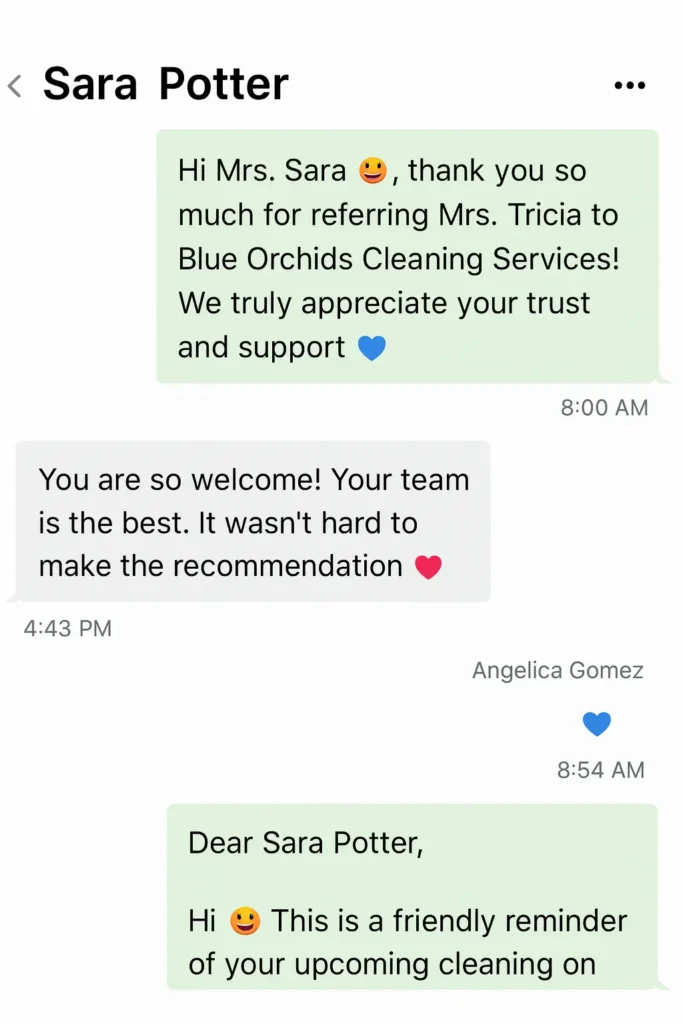
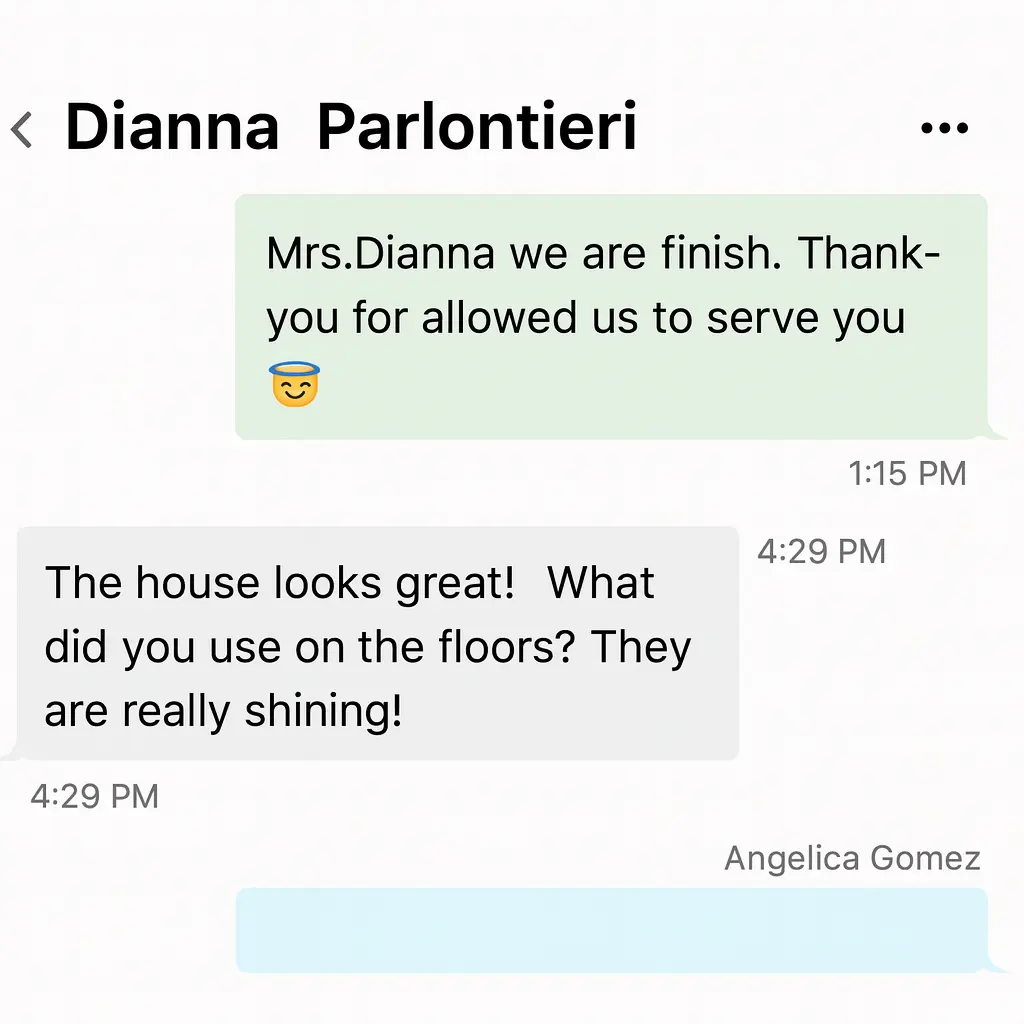
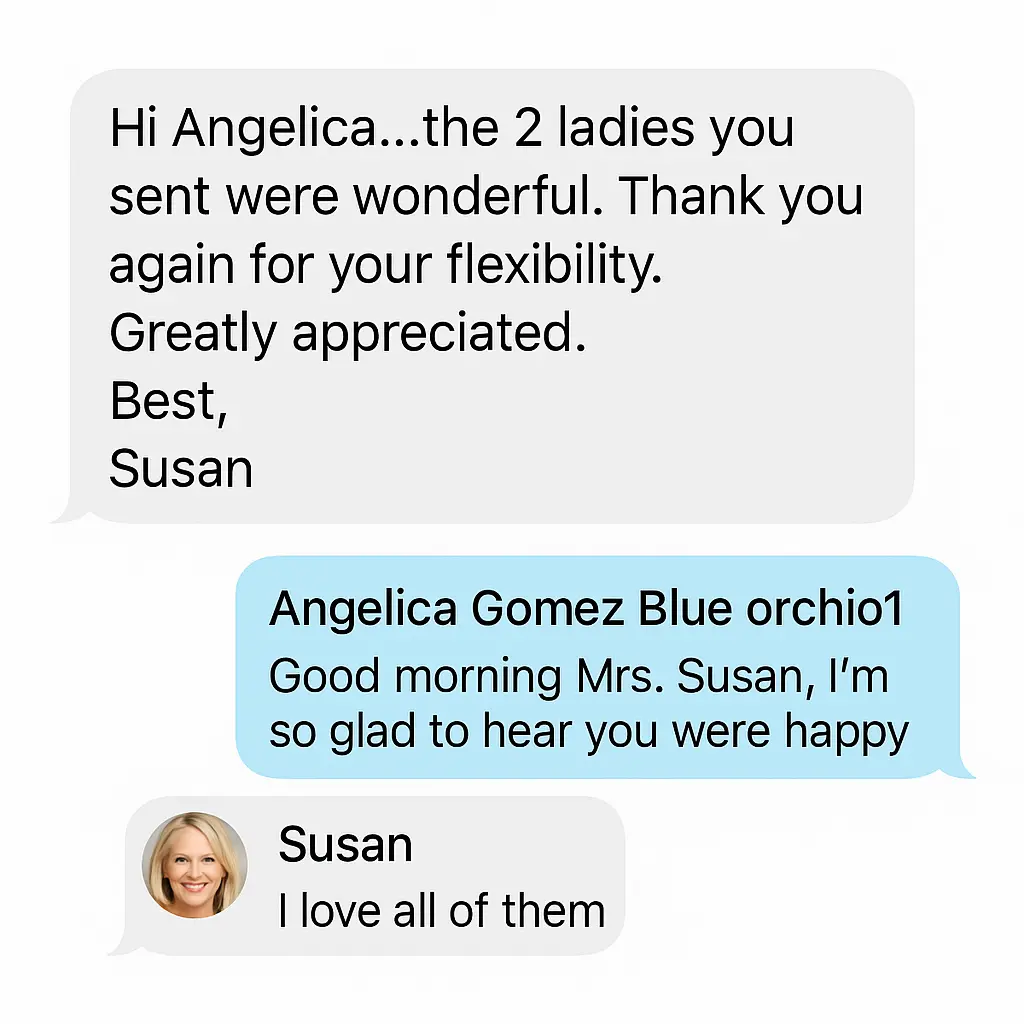
One trusted, caring option is Blue Orchids. As described, they offer:
> A supportive, human solution that understands the emotional weight of maintaining a home — not just a cleaning service.
When you feel overwhelmed, it’s hard to think clearly about what to do next. That’s precisely why support can be so healing. You don’t have to solve everything on your own to move toward a Clean Home, Peace of Mind.
Start with one small step. Then let help meet you where you are—so peace can feel possible again.