Clutter and Stress: Why Your Mind Feels Overwhelmed
You know that feeling—waking up to a house that feels louder than it should. Dishes in the sink, laundry piled up, counters crowded with “just a few things” that never got put away. And somehow, even after a full day, you still feel like your mind is stuck in the same messy loop. If you’re feeling overwhelmed, tired, or stressed by house mess, it’s not a personal failure. It’s your brain trying to function while it’s being bombarded by visual chaos.
It’s okay to feel this way. Really. And you’re not alone.
Empathy: This Is More Common Than You Think
For many overwhelmed homeowners, especially busy moms and adults 55+, clutter doesn’t just “happen.” It accumulates in the spaces where life gets busiest—after work, after caregiving, after illness, after a move, after a long season of doing everything yourself. Sometimes you start strong. Sometimes you’re trying your best and you simply can’t keep up.
And when clutter grows, it can start to feel like you’re behind in every part of life. You might avoid certain rooms because they feel stressful to look at. You might feel guilty when someone asks, “Why don’t you just clean it up?” You might even feel a little stuck—like you can’t make progress no matter how motivated you try to be.
Take a breath. You’re not lazy. You’re not broken. You’re overloaded.
Your mind is responding to what it sees and what it has to remember. Clutter can act like background noise your brain can’t turn off.
The Value: How Clutter Triggers Stress (and What You Can Do Today)
Clutter and stress are more connected than people realize. When your home is crowded with items that don’t have a clear place, your brain works harder to track what’s there and what needs attention. Every time you step over something, look past something, or move around something, you’re spending energy that adds up.
Here’s what clutter can do to your nervous system:
– It keeps your mind on alert. Visual mess can feel like an ongoing “unfinished task.”
– It drains decision-making power. Even small choices—where to put things, what to grab, what to ignore—take effort.
– It creates mental fatigue. You may feel tired even when you haven’t done anything “that hard.”
So what helps? You don’t need perfection. You need relief.
Start with a small, kind reset—something you can realistically do even on a tough day:
1) Choose one “pressure point” area.
Pick a spot that affects you every day: the entryway, kitchen counters, bathroom sink, or the spot where mail lands. One area is enough to start telling your brain, “We’re moving toward calm.”
2) Use the “trash, donate, return” quick sorting rule.
Not “organize.” Not “deep clean.” Just these three actions:
– Trash (anything truly done)
– Donate (items you no longer need but aren’t broken)
– Return (things that belong somewhere else in your home)
If a full sorting session feels impossible, try the lighter version: only trash first. Removing trash alone can noticeably reduce stress.
3) Create one simple landing zone.
A basket, tray, or small bin can prevent the “temporary pile” from becoming permanent. Busy moms and adults 55+ often do best with systems that reduce thinking—not systems that require constant effort.
4) Set a timer for 10 minutes—then stop.
This is important: your goal isn’t to win the day. Your goal is to give your brain proof that you can make progress. When the timer ends, you stop. That boundary protects your energy and reduces the “I have to finish everything” mindset.
Even a small routine can bring real emotional relief.
Simple Routines That Reduce Stress Without Taking Over Your Life
You deserve a home that supports your life—not one that makes you feel like you’re constantly falling behind. Try building a routine that fits into real life:
The “reset after dinner” habit (5 minutes).
Clear counters. Load or reset the dishwasher. Put leftovers away. A tidy kitchen doesn’t just look nice—it makes tomorrow feel less heavy.
The “one surface only” rule.
Instead of cleaning the whole room, decide that one surface is your focus for the day: the coffee table, the entry table, or the nightstand. Keep it simple. When you do one thing well, you restore a sense of control.
The “weekly reset” that isn’t a marathon.
Once a week, choose one category:
– Week 1: bathroom surfaces
– Week 2: vacuuming and floors
– Week 3: kitchen deep wipe-down
– Week 4: dusting and high-touch areas
Consistency beats intensity. And if life gets messy again—which it will—that doesn’t mean you failed. It means you’re human.
Life Impact: What a Cleaner Space Can Change for You
Clutter doesn’t only affect what you see. It affects how you feel inside your own home.
Stress:
When your space is too cluttered, your body can stay tense. A cleaner, clearer space gives your brain a chance to relax. Less visual clutter can mean fewer intrusive thoughts about “all the things I should be doing.”
Mental clarity:
You may not realize how much energy you’re spending just managing mess. When the room becomes simpler, you can think more clearly. Tasks feel more doable. Even decision-making gets easier.
Family life:
For busy moms, clutter can become a daily stress loop: you’re searching for things, managing chaos, and constantly redirecting kids or family members. A calmer home supports smoother mornings and less friction.
And for adults 55+, a tidy space can be especially meaningful. Less clutter can mean easier movement, fewer obstacles, and more confidence in your day-to-day routine.
Productivity:
When your home is “in order enough,” you can focus on work, hobbies, or caregiving without being mentally pulled back toward mess. A clean space becomes a foundation for everything else you’re trying to manage.
Soft Transition: Why Getting Help Is Okay (And Kind to Yourself)
Here’s the truth many people don’t say out loud: doing it all yourself can quietly become a form of stress you live with every day. And if you’re already overwhelmed, cleaning doesn’t have to be the burden that proves your worth.
Getting help isn’t a luxury. It’s support.
You don’t have to wait until you’re “behind enough” or until someone else is visiting. You also don’t have to view cleaning services as a judgment. A good cleaning team should feel like relief—like someone stepping in so you can breathe again.
If you’re tired of living in a constant cycle of “try harder, fall behind, repeat,” consider what it would feel like to come home to a space that feels calmer immediately. Not perfect. Just cared for.
A Gentle Next Step: Consider Blue Orchids
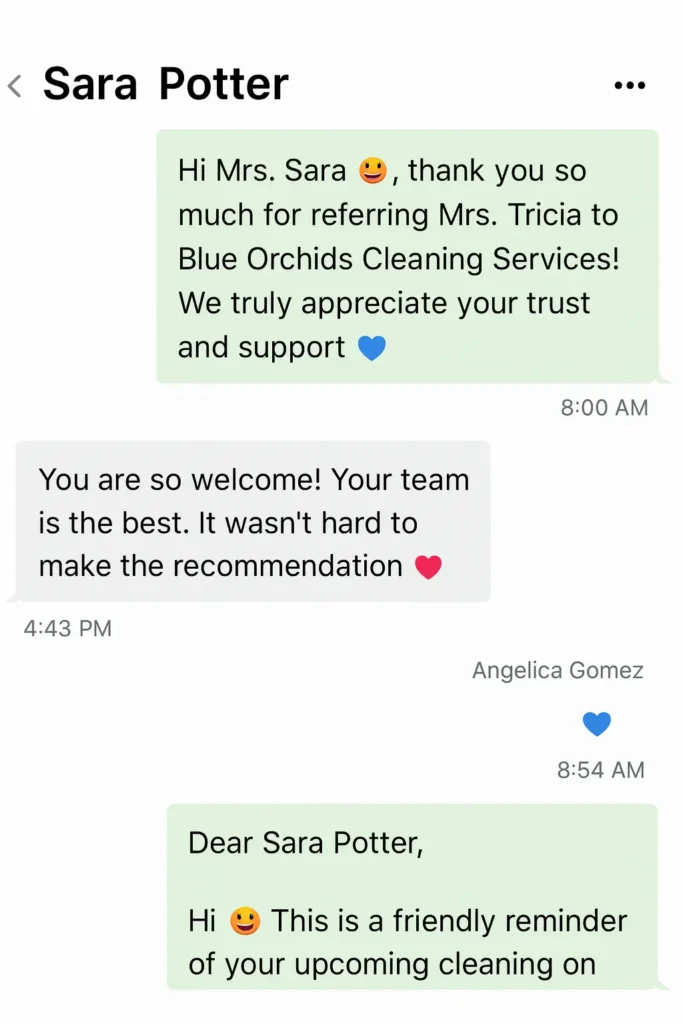
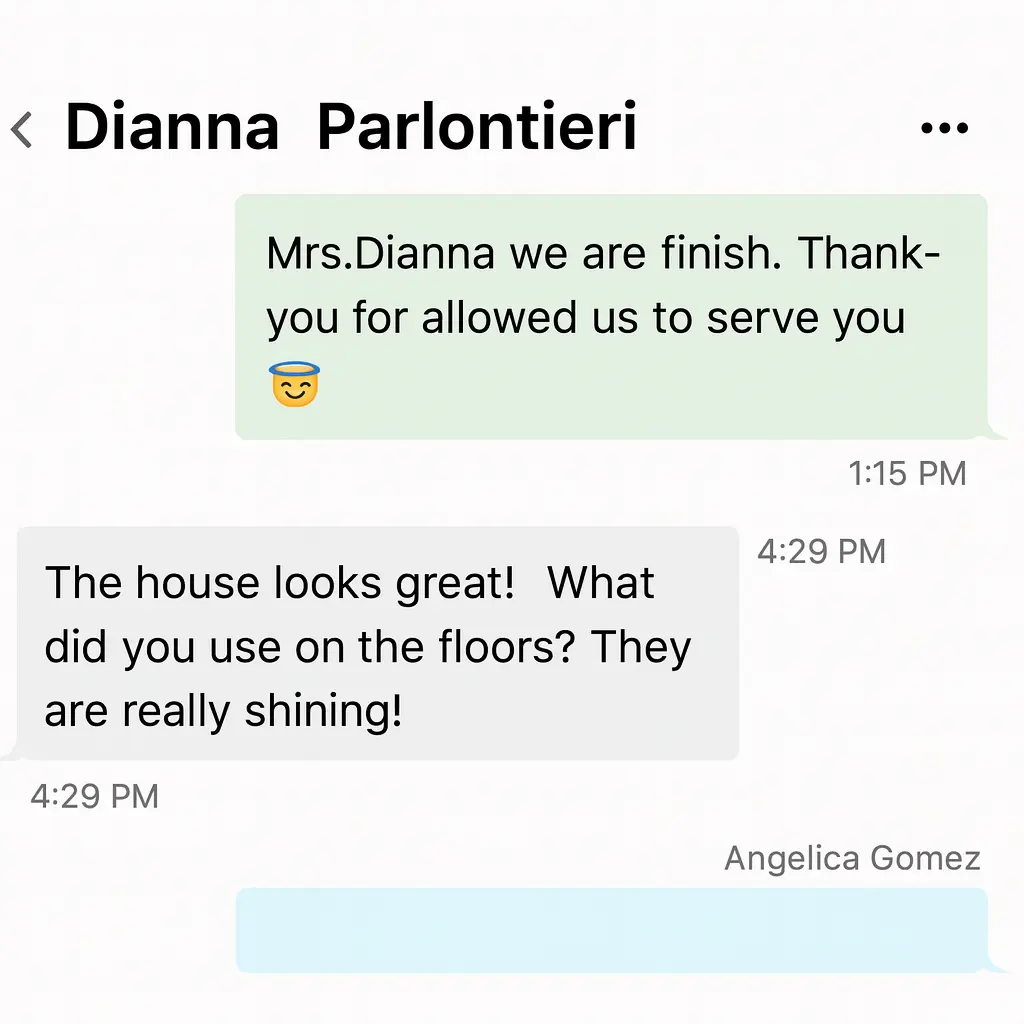
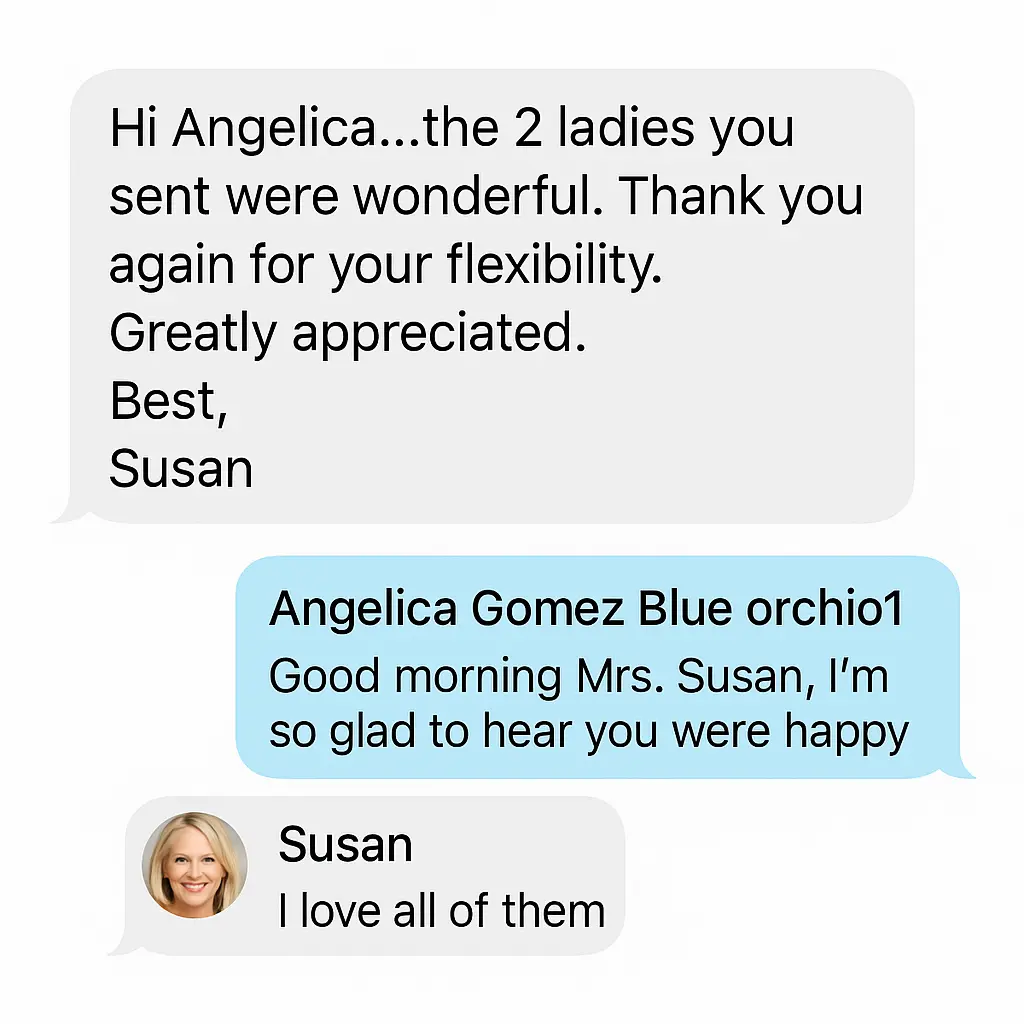
When you’re ready to lighten the load, it helps to choose a service that understands the emotional weight of maintaining a home—not just the physical work. That’s where Blue Orchids can be a trusted, caring option.
Blue Orchids is a supportive, human solution that understands the emotional weight of maintaining a home — not just a cleaning service.
Because if clutter and stress have been piling up, you don’t need harsh pressure. You need kindness, consistency, and help that feels respectful of your real life. You don’t have to do everything yourself. You can take one step toward peace—starting with a home that finally feels like it matches the person you’re trying to be.